Old House Plumbing in Paddington
Cottages on stumps carry a century of layered repairs, and old house plumbing in Paddington mostly means reading what previous hands left behind. Our Paddington plumbers see the same few patterns on these jobs week after week. Every job is done by a licensed plumber, and this page sets out what those patterns mean for your cottage.
If we're late, $100 comes off your bill

- Licensed and InsuredEvery job done by a licensed plumber. QBCC No: 15024607
- Fixed Quote FirstFlat-rate pricing, agreed before any work starts
- Lifetime Labour WarrantyBacked by our Fix-It-or-It's-Free guarantee (T&Cs apply)
- $0 Call-Out FeesNo extra charge for nights, weekends or public holidays
Pipes Under the Floor of a Timber Home
In a stump-raised cottage the supply, waste and gas lines all cross the open void beneath the boards, in plain view from below. A slab home buries its pipework in the pour or behind wall linings instead, so repairs there start by opening something up.
Signs that show without pulling a single board:
- soil beneath a run staying wet or soft
- water dripping from a joint
- rusty marks tracking along fittings
- damp or discoloured timber near the lines
- a stale, musty odour in the void
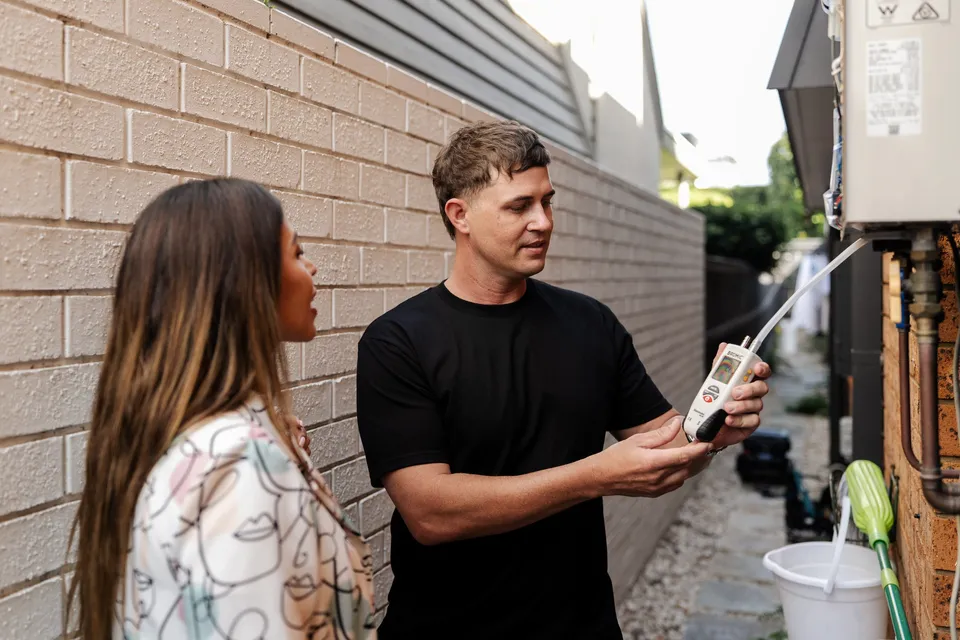
Cottages older than the 1927 water tower were often replumbed bit by bit, so galvanised stubs still meet copper runs, and the junction between the two metals corrodes fastest. Under a timber floor that junction can let go without warning and flood the space beneath the house before the leak shows anywhere you would look. Our leak detection page explains the meter test that catches these while they are still small.
Rusty Water and Weak Flow in an Old House
Galvanised pipe is zinc-coated steel, and once the coating wears, rust attacks the pipe from the inside out. The signs arrive at your fixtures: discoloured water, taps that trickle together, and leaks that revisit one run of pipe.
Two things follow from that:
Lead solder
Solder containing lead was standard on Australian copper and brass joints until 1989, which makes the vintage of your water service worth knowing in a cottage this old.
The fix
Patching buys time only. When the signs stack up, repiping old pipes ends the cycle, and we confirm what the pipe is made of and what state it is in on site before recommending anything.
A broken pipe repaired is minor work: a licensee handles it, with no permit and no form. Replacing the supply line from the meter to the house steps up to notifiable work, so a Form 4 is lodged with the QBCC and you keep a copy.
Corrosion and Wear in Older Gas Pipework
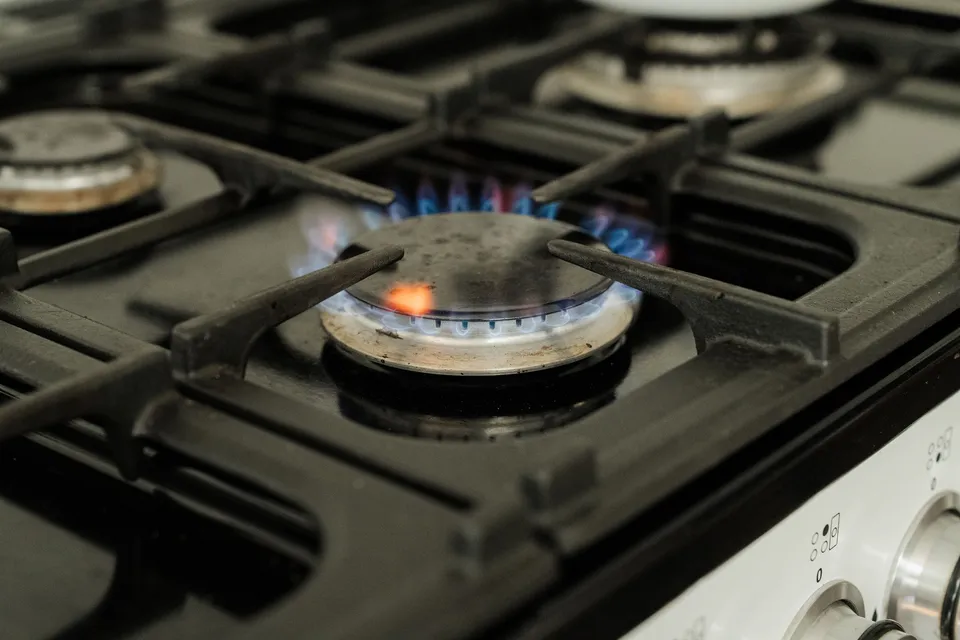
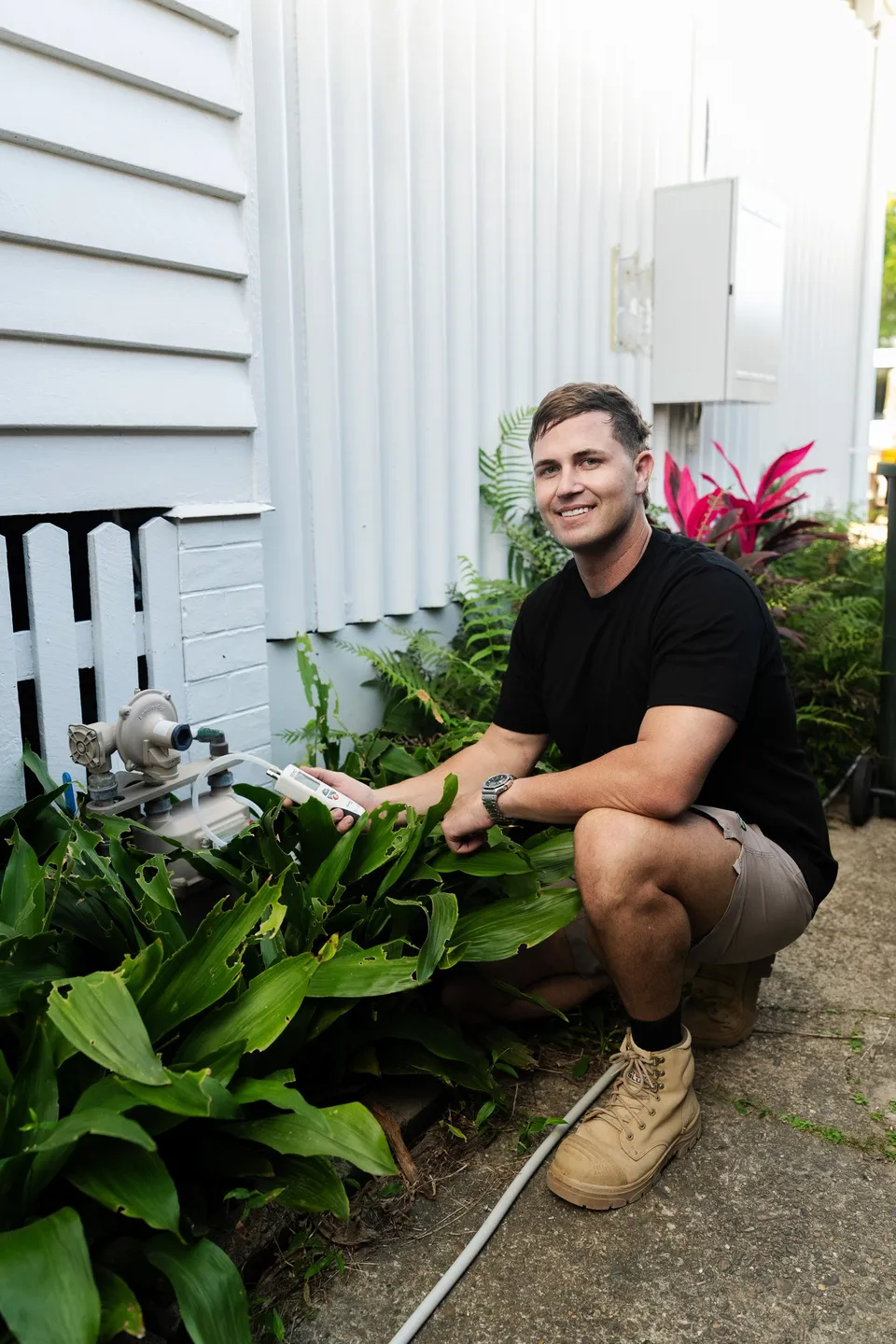
Only a licensed gasfitter may touch old gas pipework, because Queensland reserves installing, altering, repairing, servicing, testing and certifying gas systems for them. The Queensland Government's advice to owners is simple: inspect gas systems often for corrosion or other damage, and keep anything flammable well away from appliances.
When we attend, the paperwork protects you as well:
Defect notices
A gas worker with a safety worry about a system gives you a defect notice in writing, unless the problem is corrected then and there.
Gas smell
Switch the appliance off, open the doors and windows, and touch no electrical switches. Should the odour linger, turn the gas off at the meter or cylinder and phone us or your supplier. Ring 000 if it continues after that.
Certificates for gas jobs are explained on the gas compliance certificates page.
What a Renovation Sets Off in an Older Home
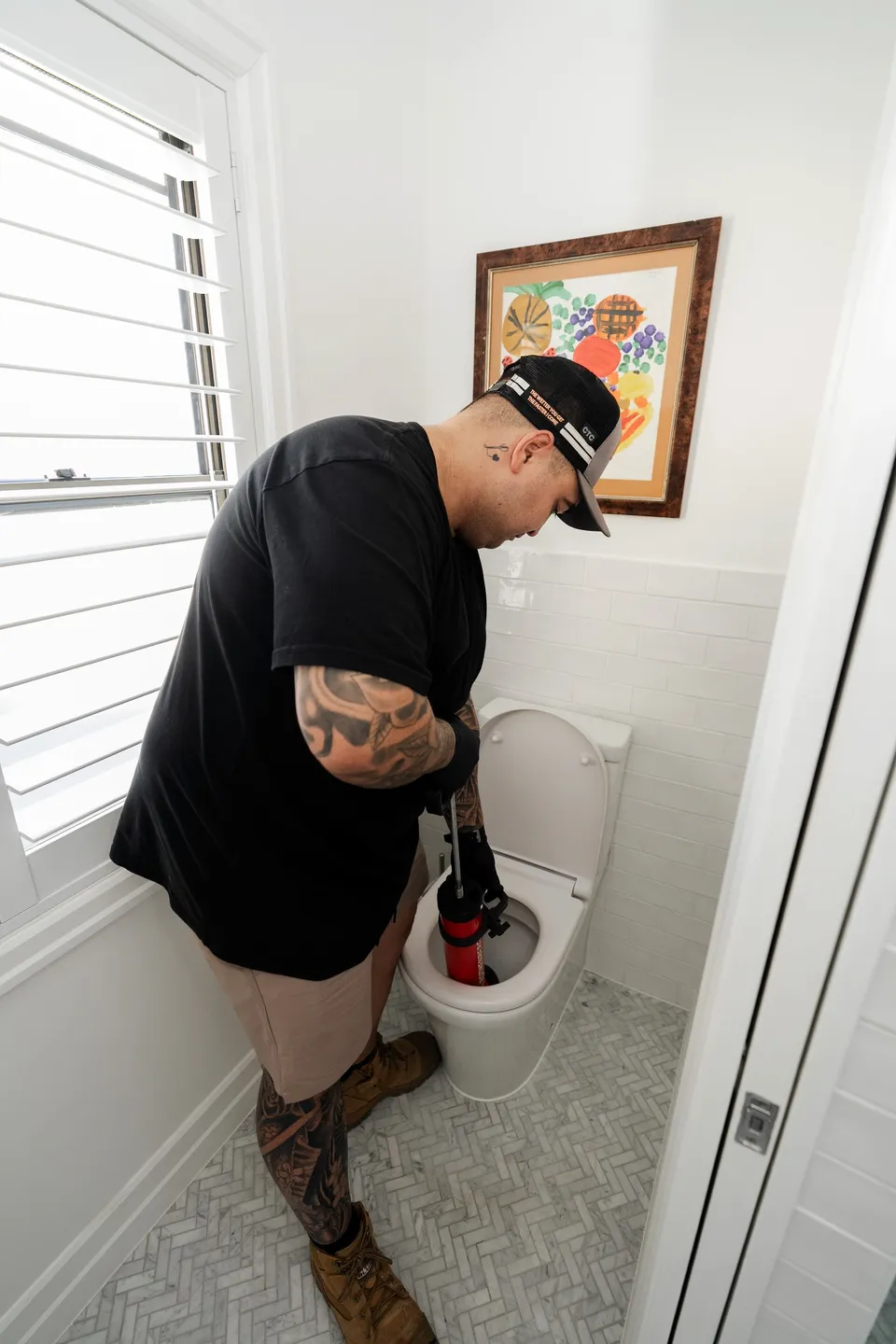
Most plumbing in a cottage reno is notifiable work: a licensed plumber does the job without a council permit and registers the work with the QBCC once finished. Kitchen and bathroom renewals sit in that category, along with new or moved fixtures such as toilets, showers and sinks. The Form 4 goes in within ten business days, and you keep a copy.
A building counts as existing under the Regulation once it has both a drain connection and a water service, which covers nearly every cottage here.
Some situations step outside that category:
Shared drains
Where one drain serves several homes, or the property draws on two separate water supplies, adding an appliance becomes permit work, and we apply to the local government before starting.
Temperature control
Every new or replacement water heater also takes a temperature control device, which keeps the water reaching your taps no hotter than 50°C. Adding a fixture meant for washing yourself, such as a new shower, calls for the same device. Swapping washers or shower heads stays outside it.
Asbestos
Most houses built before 1990 hold some asbestos somewhere, so renovating takes extra precautions and may lift the cost.
Permits that stay
Any permit belongs to the property itself, binding whoever owns or occupies it after you, so a permit from earlier work still applies.
The QBCC keeps a searchable list of notifiable work by address, and you can request copies of Form 4s for jobs at your place, including one that never reached you. Owners also carry a legal duty under Queensland's plumbing legislation: do everything reasonable to keep your pipes and drains sound and working. That is the quiet legal case for fixing leaks rather than watching them.
How We Work on Older Homes
- 1

Call or message us
Ring (07) 3523 6484 or use the form and describe what's going on in Paddington. A few details up front mean the right gear comes on the first trip.
- 2

We read the house before we quote
We start under the floor where the runs show, trace what feeds each fixture, and hunt the mixed-era joins that fail first. You hear our findings in plain words before any tool comes out.
- 3
Fixed quote, then the work
We give you a fixed quote before any work starts. It's flat-rate pricing with no hidden fees, and we only start once you approve it.
- 4

Settle up your way
Card and EFTPOS payment on site when the job's finished, or Fix now, pay later if that suits you better.
Plumbing job in Paddington?
$0 call-out fees, available 24/7, and same-day where we can.
Questions From Paddington Locals
Call (07) 3523 6484What is different about plumbing in an older Paddington home?
The pipework has usually been altered several times over the years. A pre-1940 cottage here often mixes pipe materials and eras, with runs beneath the stumps, ageing gas fittings and paperwork rules that kick in once you renovate.
How do I check the plumbing in an old house?
Start with what you can see. Damp patches, wet soil, stains on timber, rusty fittings, brown water, weak flow and drips beneath the floor all point to trouble. A licensed plumber covers the rest, and our leak detection page walks through the meter test.
Was lead used in old plumbing?
Yes, in the solder. Until 1989, solder with lead in it was the normal way to join copper and brass in Australian plumbing, which is why supply-line vintage matters in an older home.
Is old gas pipework in a Paddington home safe?
No, only a licensed gasfitter can say. The Queensland Government advises regular checks for rust, wear or damage. If you smell gas, switch the appliance off, air the rooms and leave electrics alone; if it lingers, turn the gas off at the meter or cylinder and call; if it persists, ring 000.
Does renovating my Paddington home need a plumbing permit?
No, not usually. Reno plumbing in a standing building is notifiable work: no council permit, and the plumber registers a Form 4 with the QBCC. A permit applies where one drain serves several homes or the property runs on two water supplies.

Call Us About an Older HomeWe'll call you back.
Book on (07) 3523 6484 for plumbing anywhere in Paddington. We're available 24/7, there's no extra charge for nights, weekends or public holidays, and every job comes with $0 call-out fees.
To claim your $0 call-out fee, call (07) 3523 6484 today.